Quick Answer
Beveling opens a groove that lets weld filler reach the full depth of a thick joint. Without it, thick plate can trap a lack-of-fusion defect at the root — invisible from the surface, but a significant structural weak point.
Weld a thick, square-edged plate without beveling it, and the joint can look completely fine on the surface — and still fail under load. On thin material, a square edge often welds together just fine. Once plate gets thicker, that stops being true, and understanding why comes down to how weld filler actually reaches a joint.
The Core Problem: Joint Penetration
A weld needs filler metal to reach and fuse with the full thickness of the joint, not just the surface. On a square, unbeveled edge, thicker plate can prevent the weld arc and filler from reaching the root of the joint, leaving a weld that looks acceptable on the surface but has incomplete fusion underneath. In practice, welders build up thick joints in stages — a root pass first, sometimes a hot pass to clean up and reinforce it, then fill passes to build the joint up, and a final cap pass — and every one of those stages depends on the root pass actually reaching the bottom of the joint in the first place. Beveling is what makes that root pass physically possible on plate beyond a few millimeters thick.
What Happens Without Beveling
Welding thick, unbeveled plate risks two related but distinct defects. Lack of penetration (LOP) means the weld simply didn't reach the full depth of the joint. Lack of fusion (LOF) means the weld metal didn't properly bond to the base metal or a previous pass, even where it did reach — a subtly different failure mode with the same result: a joint that's weaker than it looks. Both are often invisible from the surface, which is exactly why welding codes and procedures typically call for edge preparation once plate thickness passes a certain point, rather than leaving it to visual judgment on the shop floor.
How Beveling Solves It
Cutting a bevel along the plate edge creates a groove that opens up access to the full depth of the joint, allowing the welder to build up full-penetration weld passes from the root outward. On critical structural or pressure-rated joints, that root pass is often run with GTAW (TIG) specifically for its cleaner, more controllable penetration, before switching to a faster process like SMAW or FCAW for the fill and cap passes where penetration is less critical and deposition speed matters more. The bevel angle, together with the root gap and root face (land), is specified by the welding procedure to match the plate thickness and welding process being used — get any one of those three wrong and the root pass can still fail to penetrate, even with a technically correct bevel angle.
Single vs Double Bevel Joints
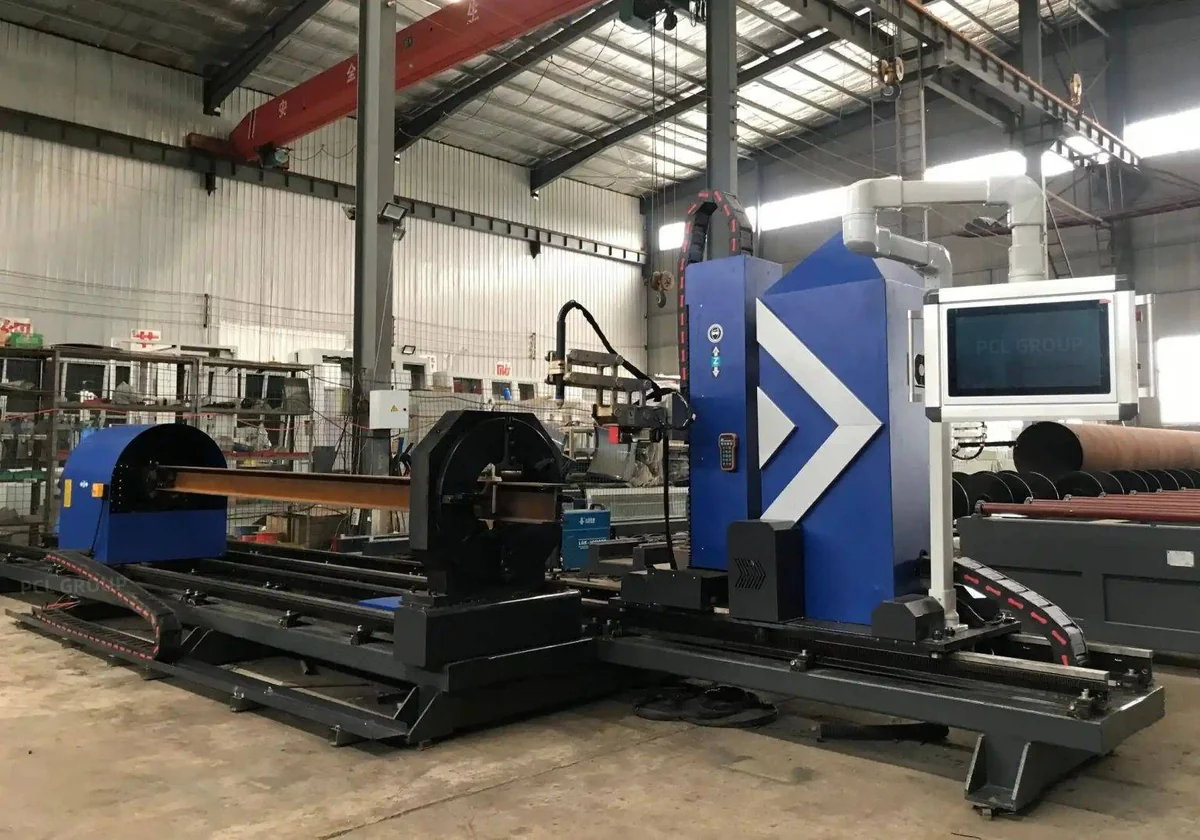
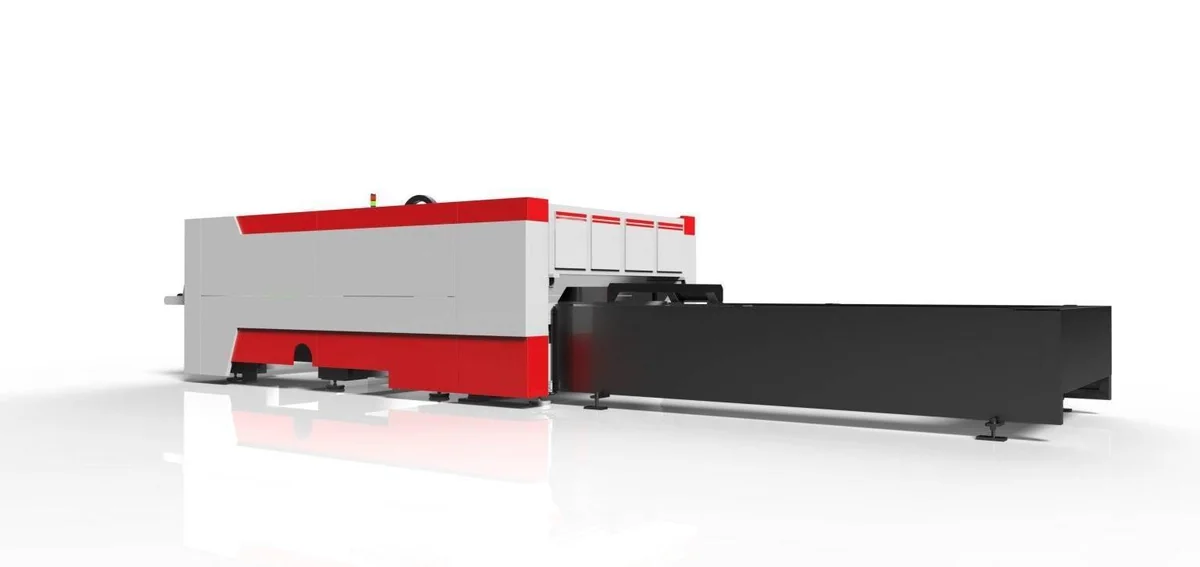
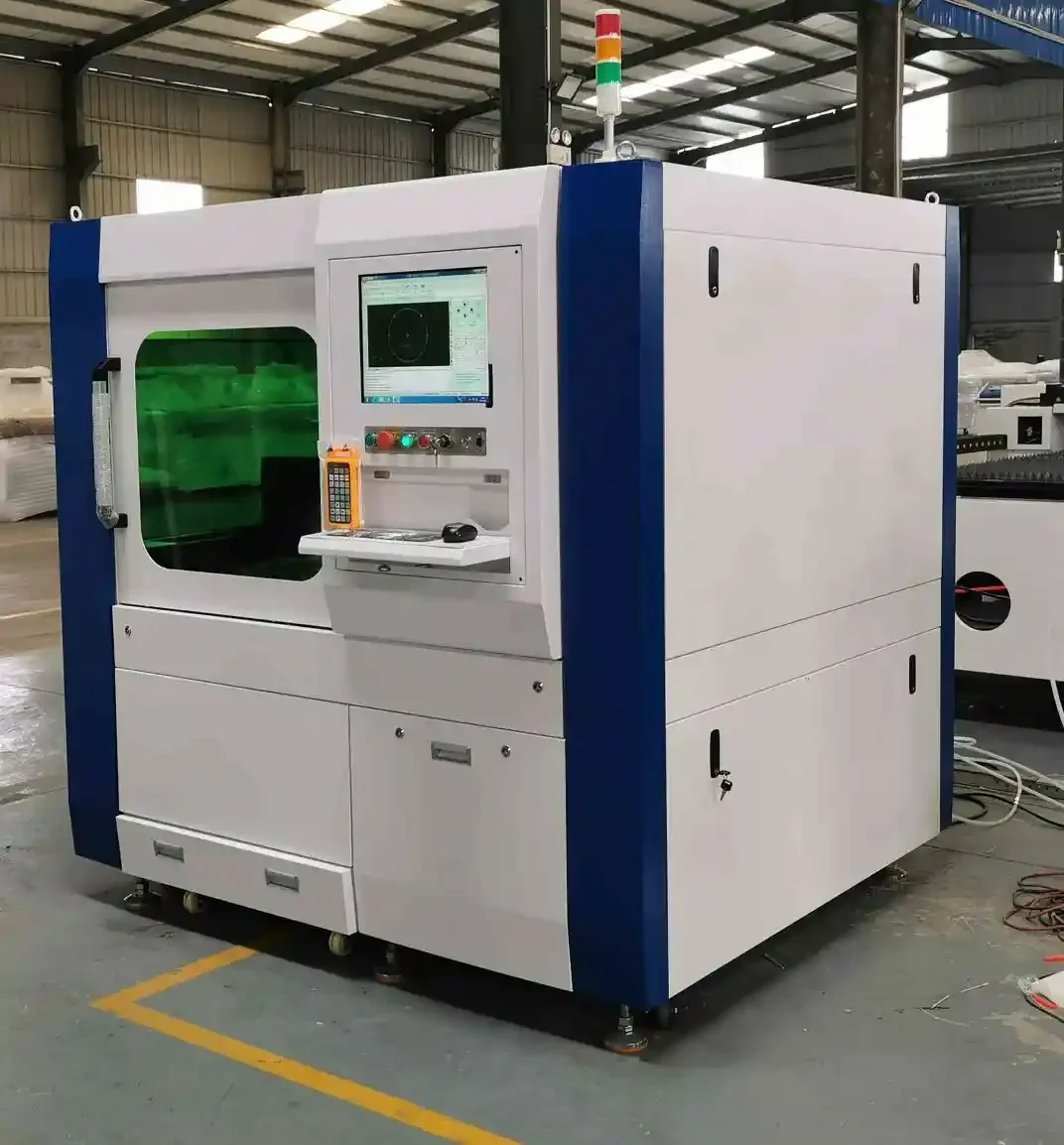
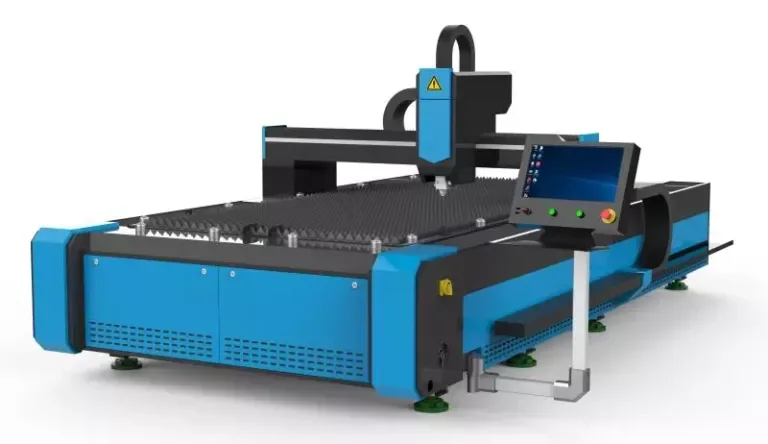
A single-bevel joint bevels the edge on one side, often used when access is only available from one face — closing seams or confined sections, for example. A double-bevel joint bevels both sides, commonly used on thicker plate to reduce the total volume of weld fill required and balance the weld from both sides, which also helps limit heat input and distortion compared to filling an equivalent single-bevel groove from one side alone. The tradeoff is straightforward: double-bevel needs access to both faces during fabrication, which isn't always available depending on the assembly sequence. PCL's MDC-Series handles both configurations within its standard 30°–45° range.
How Inspectors Catch a Bad Root
Because lack of penetration and lack of fusion are frequently invisible from the surface, visual inspection alone can't confirm that a completed weld actually penetrated to the root. On structural and pressure-critical joints, radiographic testing (RT) or ultrasonic testing (UT) is commonly used to check for exactly these subsurface discontinuities before a weld is accepted. That's really the point of beveling in the first place: it isn't a step that makes inspection easier after the fact, it's what gives the root pass a physical path to actually reach full penetration before the weld is ever made — by the time a joint fails RT or UT, the fix is cutting the weld out and starting over, not adjusting the bevel that should have been there from the start.
The Longer-Term Risk: Fatigue, Not Just Immediate Failure
An incomplete-penetration joint doesn't always fail the moment it's loaded — the more common failure mode is fatigue. A lack-of-fusion or lack-of-penetration defect acts as a built-in stress concentrator, an internal notch the surrounding material has no way to smooth out. Under a static, one-time load, a joint like that might hold fine. Under repeated cyclic loading — vibration, thermal cycling, wave loading on a hull, live loads on a structure — cracks preferentially initiate and grow from exactly that kind of internal notch, often years after the weld was made and long after it passed its original acceptance inspection if that inspection wasn't thorough enough to catch it. That's the real argument for getting the bevel geometry right at the fabrication stage: it's far cheaper to cut a correct bevel once than to diagnose a fatigue failure in a structure that's already in service.
Frequently Asked Questions
This depends on the welding process and procedure in use, but many welding codes and procedures call for edge preparation once plate thickness exceeds a few millimeters — always follow the specific WPS for your project rather than a generic rule.
You risk incomplete fusion or incomplete penetration at the root of the joint — defects that can significantly weaken the weld even if the surface appears acceptable.
The welding procedure specification (WPS), developed according to the applicable welding code and joint design, specifies the required bevel angle, root gap, and other joint preparation details.
Lack of penetration means the weld didn't reach the full depth of the joint. Lack of fusion means the weld metal didn't properly bond to the base metal or a prior pass, even where it did reach. Both are typically subsurface and hard to catch visually.
On structural and pressure-critical joints, radiographic testing (RT) or ultrasonic testing (UT) is commonly used to check for lack of penetration or lack of fusion, since these defects are usually invisible to a surface inspection.
Yes, and this is one of the more misunderstood risks. A joint with hidden lack of penetration can appear sound if it isn't specifically checked with RT or UT, and can perform fine under a one-time static load. Under repeated cyclic loading, that same defect acts as an internal stress concentrator where fatigue cracks preferentially initiate, sometimes leading to failure years after the weld was made.
Once a joint is welded shut, there's no way to add a bevel retroactively — the only remedy for a bad root is cutting the weld out and starting over. Beveling has to happen before welding because it's what gives the root pass physical access to the full joint depth in the first place.