Quick Answer
Manual grinding suits one-off parts and low volume; tumbling suits small, irregular parts processed in batches; an automated deburring machine wins once you need consistent edges at volume without relying on individual operator skill.
There's no single “best” way to deburr a part — deburring vs grinding vs tumbling really comes down to volume and how consistent the results need to be. A grinder in someone's hand, or a tumbler running overnight, works fine when the job count is low. Neither holds up once production actually scales.
Here's how the three approaches stack up on labor, consistency, and part suitability — and roughly where the crossover point to automation tends to land.
Manual Grinding
Hand grinding is flexible and requires no dedicated equipment beyond a grinder, which makes it common for one-off parts, repairs, or very low volumes. The tradeoffs are real: results vary between operators and even between passes from the same operator as a shift wears on, since consistent pressure and angle are harder to hold over hours of repetitive work. It's also labor-intensive in a way that scales linearly — twice the parts means twice the grinding hours, with no efficiency gained at higher volume. There's a safety and PPE dimension too: face shields, hearing protection, and dust extraction are standard requirements around powered abrasive tools, and the physical demand of holding a grinder against metal for a full shift is its own recurring cost, even if it doesn't show up on an invoice the way a machine purchase would.
Tumbling and Vibratory Finishing
Tumbling and vibratory finishing process batches of smaller parts together in a media-filled drum or bowl, which works well for small components with irregular shapes that would be tedious to grind individually. Media type — ceramic, plastic, or steel — is chosen based on the material and the finish target, and cycle times can run anywhere from under an hour to overnight depending on part geometry and how aggressive a finish is needed. It's less practical for large, flat sheet or plate: the parts are simply too big for a tumbling drum, and because multiple parts tumble together and can nest or shield each other, controlling exactly which edges get finished — and by how much — is harder than with a pass-through machine where every part follows the same fixed path.
Automated Deburring Machines
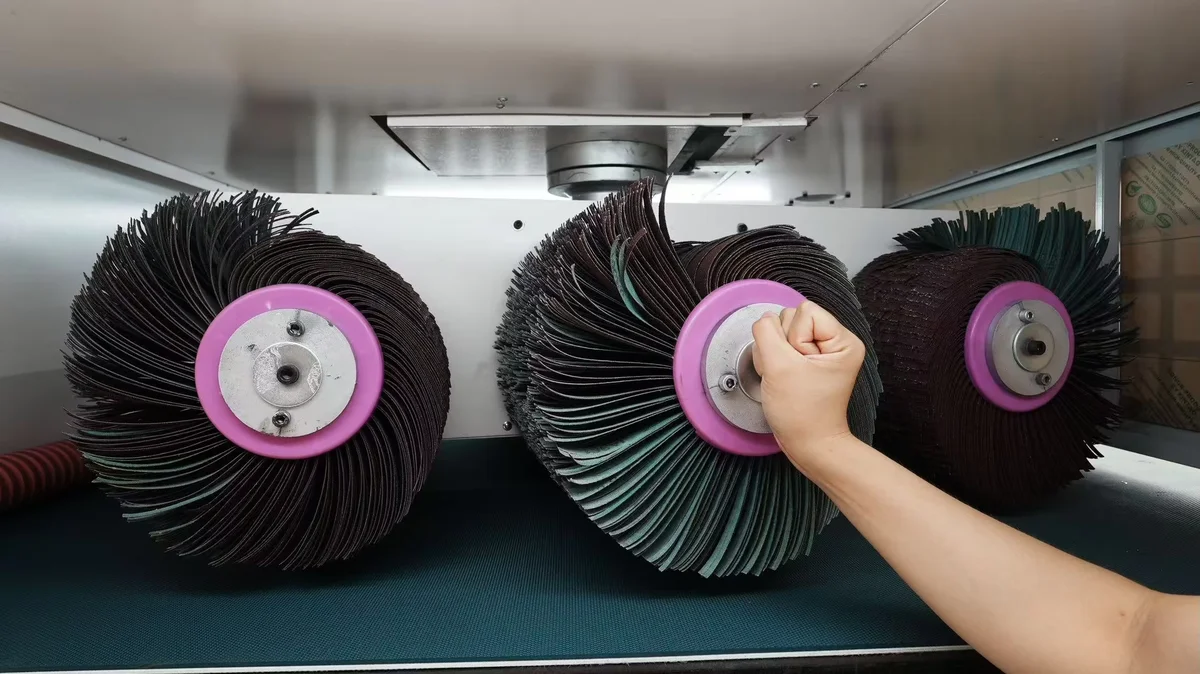
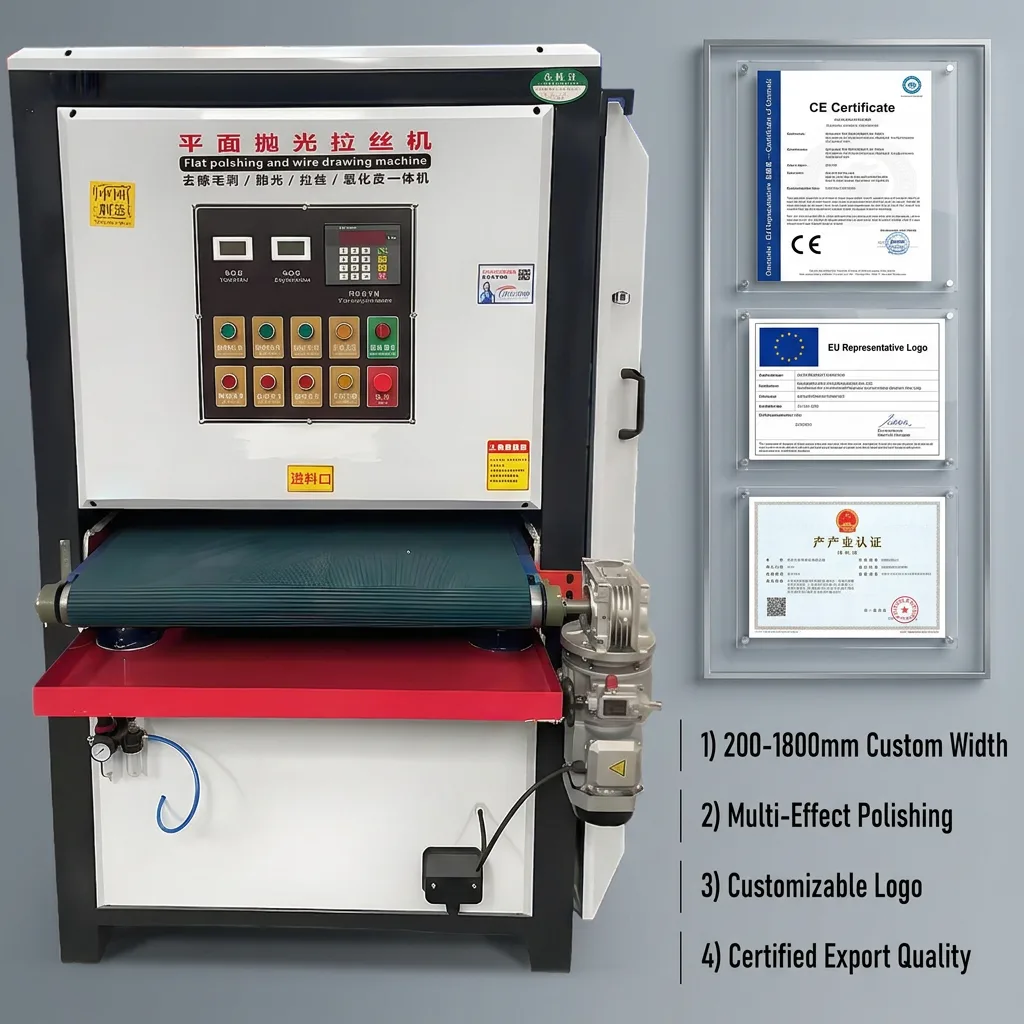
A pass-through deburring machine applies fixed, repeatable abrasive contact and pressure across every part that goes through it, which means the hundredth part looks the same as the first — because the pressure, belt speed, and pass count are mechanically set rather than held by hand. A single continuous-feed line, like PCL's MD-Series (200–1,800 mm working width, 110/220/380V), can process both faces of a flat part in one pass, where manual grinding requires flipping and re-clamping the part to reach the second side. With an optional wire-drawing wheel, the same pass can also apply a decorative brushed finish, combining deburring and cosmetic finishing into a single step — something that's difficult to do economically with either grinding or tumbling at production volume. The main advantage over both alternatives is the same in every case: consistency at volume, independent of individual operator skill or how a batch happens to tumble together.
When Does Automating Make Sense?
Stick With Manual/Tumbling If…
- Volume is low or inconsistent
- Parts are small, irregular, or batch-processed
- You don't yet have a dedicated deburring bottleneck
Move to a Deburring Machine If…
- Deburring is consuming significant labor hours
- You need consistent, documentable results across high part counts
- You're processing flat sheet or plate at production volume
Weighing the Total Cost, Not Just the Sticker Price
The three approaches carry very different cost structures, not just different capital requirements. Manual grinding has effectively zero upfront cost but a labor cost that scales directly with part count — there's no efficiency gained as volume grows, and quality still depends on whichever operator is holding the grinder that day. Tumbling has a modest capital cost and adds a batch cycle-time cost plus ongoing media consumption, which works well for its niche of small, irregular parts but doesn't scale to flat plate at all. An automated deburring line carries the highest upfront cost of the three, but the marginal labor cost per part approaches zero once it's running, and abrasive/consumable wear is predictable and scheduled rather than tied to how many labor-hours a job happens to consume. Where the crossover point actually lands depends on local labor rates, shift count, and how much consistency the end customer requires — a shop supplying documented, repeatable edge quality to a structural or pressure-vessel customer tends to hit that threshold sooner than one running one-off repair work.
Documenting Consistency for Quality Requirements
Beyond cost, the three methods differ in how easy they are to document for a quality system. A pass-through deburring machine runs at a fixed belt speed, pressure, and pass count, which means the process itself is repeatable and can be referenced directly in an ISO 9001 or customer-specific quality procedure — the same setup that produced yesterday's parts produces today's. Surface consistency can also be checked objectively with a roughness gauge: general structural edges are often acceptable in the Ra 3.2–6.3 µm range, while cosmetic or mirror-finish work on stainless or aluminum typically targets Ra 0.8–1.6 µm. Manual grinding and tumbling can hit either range too, but proving it stayed there consistently, batch after batch, across different operators or drum loads, is a much harder documentation problem — one more reason shops supplying regulated or quality-audited customers tend to lean toward automated, parameter-driven equipment as volume grows.
Frequently Asked Questions
For low volumes or one-off parts, manual grinding is often perfectly workable. It becomes a bottleneck as volume or consistency requirements increase.
Tumbling and vibratory finishing are generally better suited to smaller, irregularly shaped parts rather than large flat sheet or plate, which is where pass-through deburring machines are typically used instead.
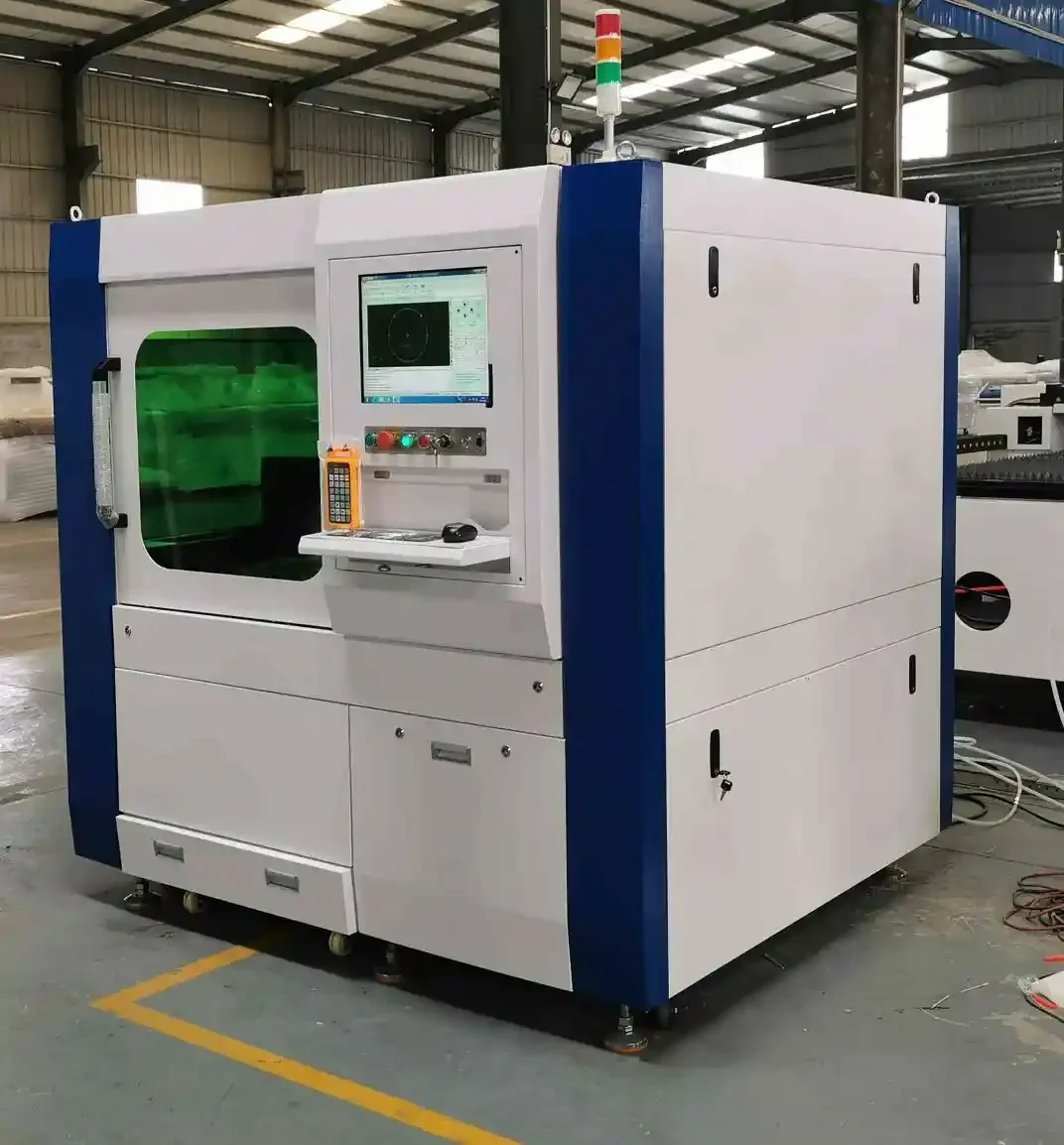
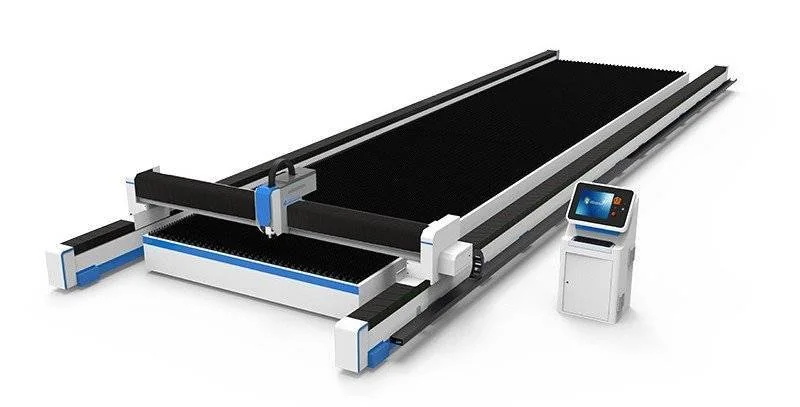
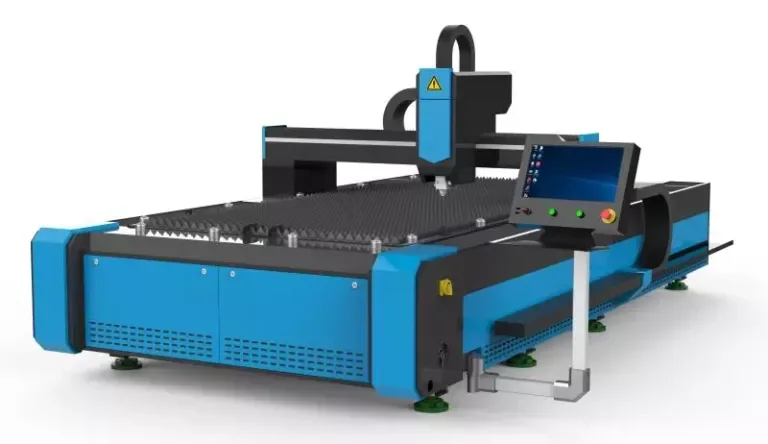
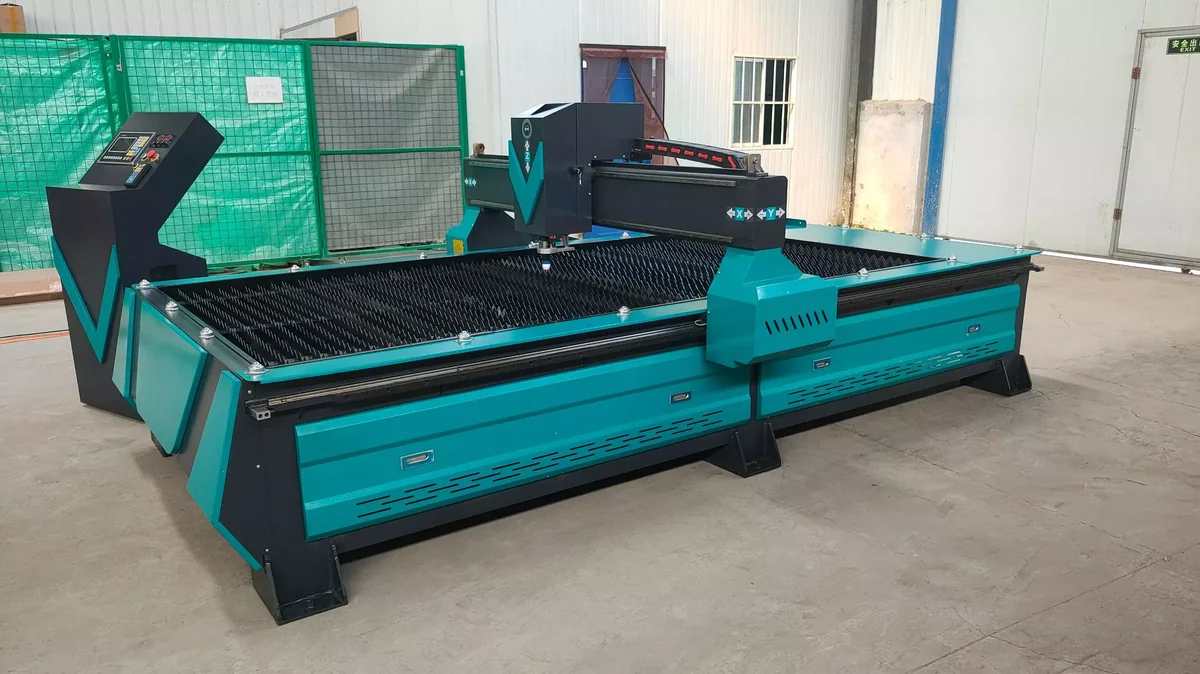
It depends on how many labor hours manual deburring is currently consuming and how consistent the results need to be. Shops running a steady mix of laser or plasma-cut parts often reach that threshold sooner than expected.
There's no single threshold — it depends on labor cost, current bottlenecks, and consistency requirements — but shops usually consider automating once manual deburring starts consuming significant, recurring labor hours.
With the right wheel configuration, yes. An optional wire-drawing wheel can apply a decorative brushed finish in the same pass as deburring, which grinding and tumbling generally can't combine as economically at volume.
Surface roughness (Ra), measured in micrometers with a roughness gauge, is a common objective check — general structural edges often target roughly Ra 3.2–6.3 µm, while cosmetic or mirror-finish work targets a finer Ra 0.8–1.6 µm. A fixed-parameter machine process makes it far easier to hold a target consistently, batch after batch, than manual grinding or tumbling.
Some, but less than shops expect. Operators still load and unload parts and monitor the line, but the skill shifts from hand-eye control of a grinder to setup and quality-checking a machine process — generally an easier skill to standardize across a team than freehand grinding technique.