Quick Answer
Deburring is the process of removing burrs — raised or ragged fragments of metal left by cutting or machining — to produce a smooth, safe, weld- and coating-ready edge.
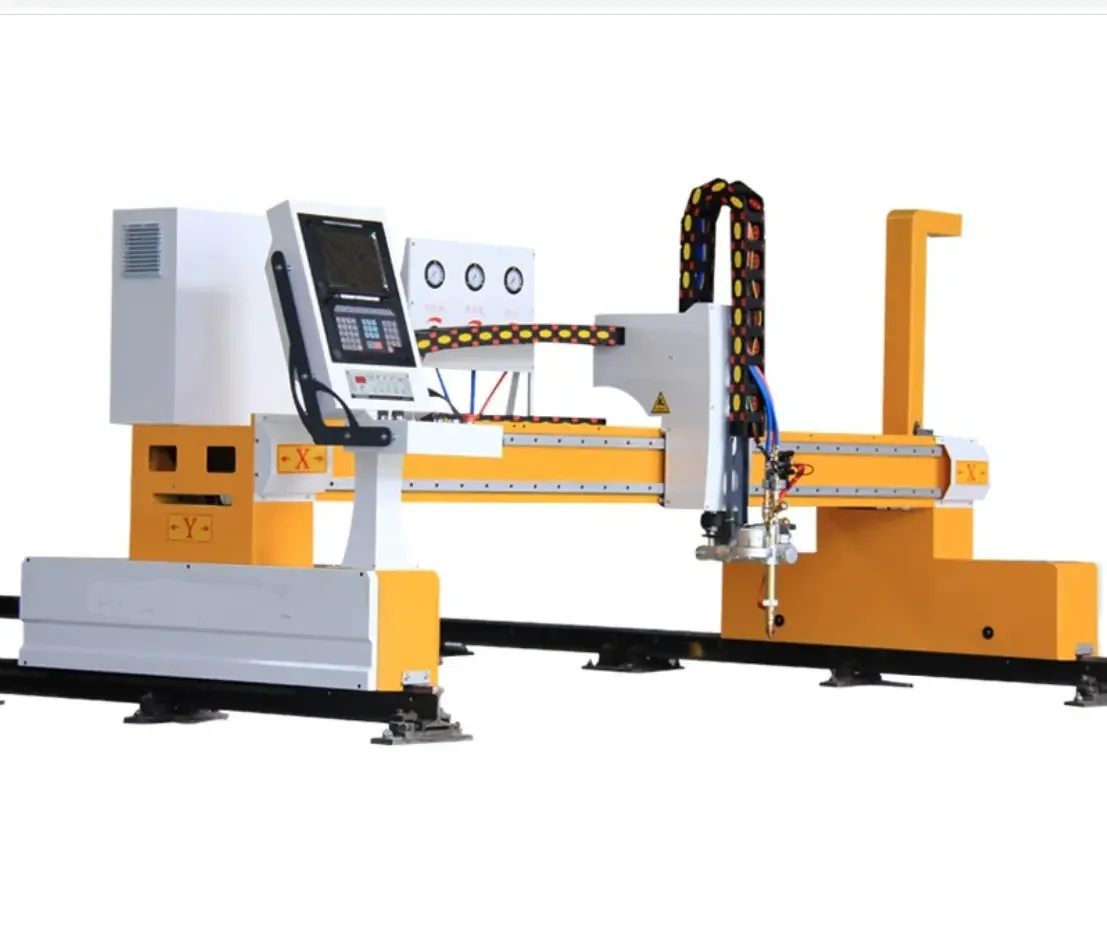
Every part that comes off a laser table, plasma cutter, punch press, or saw carries some kind of burr — a raised sliver or ragged fragment of metal clinging to the cut edge. Deburring is simply the process of removing it. It's one of the most routine steps in metal fabrication, which is exactly why it's easy to overlook until a batch of parts shows up with edges too sharp to handle safely.
What Causes Burrs in Metal
Burrs form because cutting and machining processes don't cleanly separate material — they displace it. Whether the process is laser cutting, plasma cutting, punching, sawing, or milling, some material at the edge gets pushed or dragged rather than sheared cleanly away, leaving a raised sliver, ridge, or ragged fragment along the cut line. The faster and more aggressive the cutting process, generally the more pronounced the burr.
Common Types of Burrs
Fabricators and machinists generally group burrs into a few recognizable types: a rollover burr forms when material bends over the edge rather than separating; a tear or breakout burr forms where the cutting tool exits the material and tears rather than cuts the last of it; and a Poisson burr forms from lateral material flow under cutting pressure, bulging the edge outward. The type of burr a process produces depends on the cutting method, material, and cutting parameters.
Why Deburring Matters
Sharp burrs are a genuine safety hazard for anyone handling parts by hand, and they're a common source of workshop cuts. Beyond safety, burrs can snag on gaskets, seals, and mating components, interfere with precise fit-up during assembly or welding, and prevent paint or coatings from adhering evenly along the edge. For parts that will be welded, leftover burrs and fragments can also introduce contamination into the weld pool.
When Deburring Happens in the Workflow
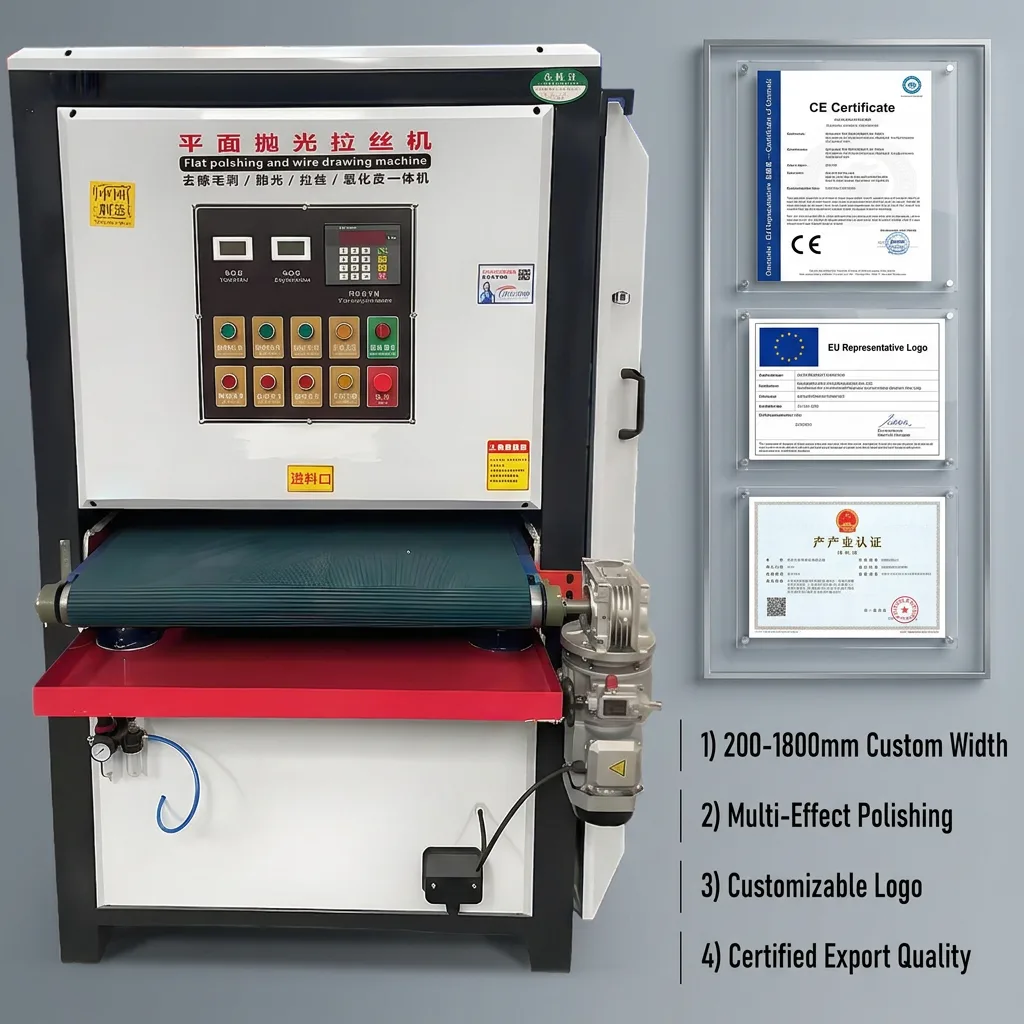
Deburring is typically the first finishing step after cutting — right after a part comes off the laser or plasma table, or out of a punch press. Doing it early means downstream processes like coating, welding, or assembly all start from a clean, consistent edge rather than compounding the effects of a rough cut. PCL's flat deburring and wire-drawing line is built to sit in exactly that position on the floor, running CE-certified across custom widths from 200 to 1,800 mm.
Frequently Asked Questions
Deburring is the process of removing burrs — raised or ragged fragments of material — left behind after cutting, punching, or machining metal, producing a smooth, safe edge.
Common categories include rollover burrs, tear or breakout burrs, and Poisson burrs, each caused by a different way material deforms or separates during cutting.
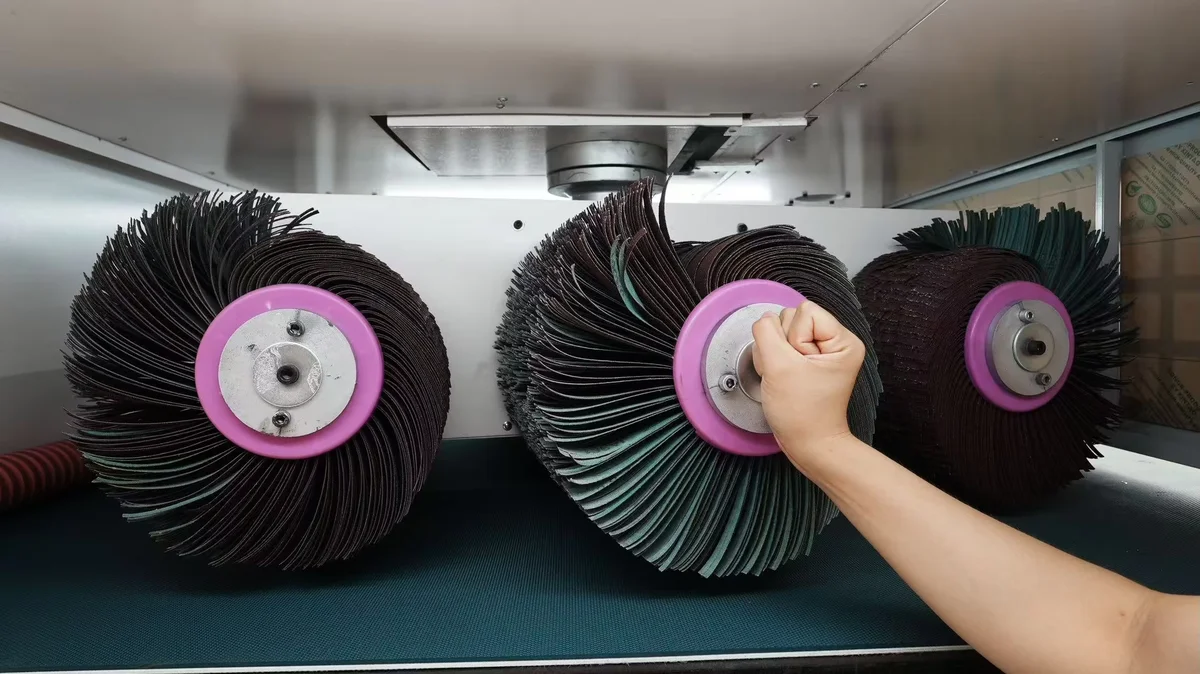
Parts typically pass through rotating brushes, abrasive belts, or wheels that make contact with the edges as the part feeds through, removing burrs and rounding the edge consistently across the whole part.
No. Deburring focuses on removing burrs and producing a safe, consistent edge. Polishing is a separate finishing step aimed at surface appearance, though some deburring lines can also produce a brushed or mirror finish in the same pass.
Yes — “edge conditioning machine” is another common industry term for the same category of equipment: machines that remove burrs and produce a smooth, consistently rounded edge after cutting or machining.